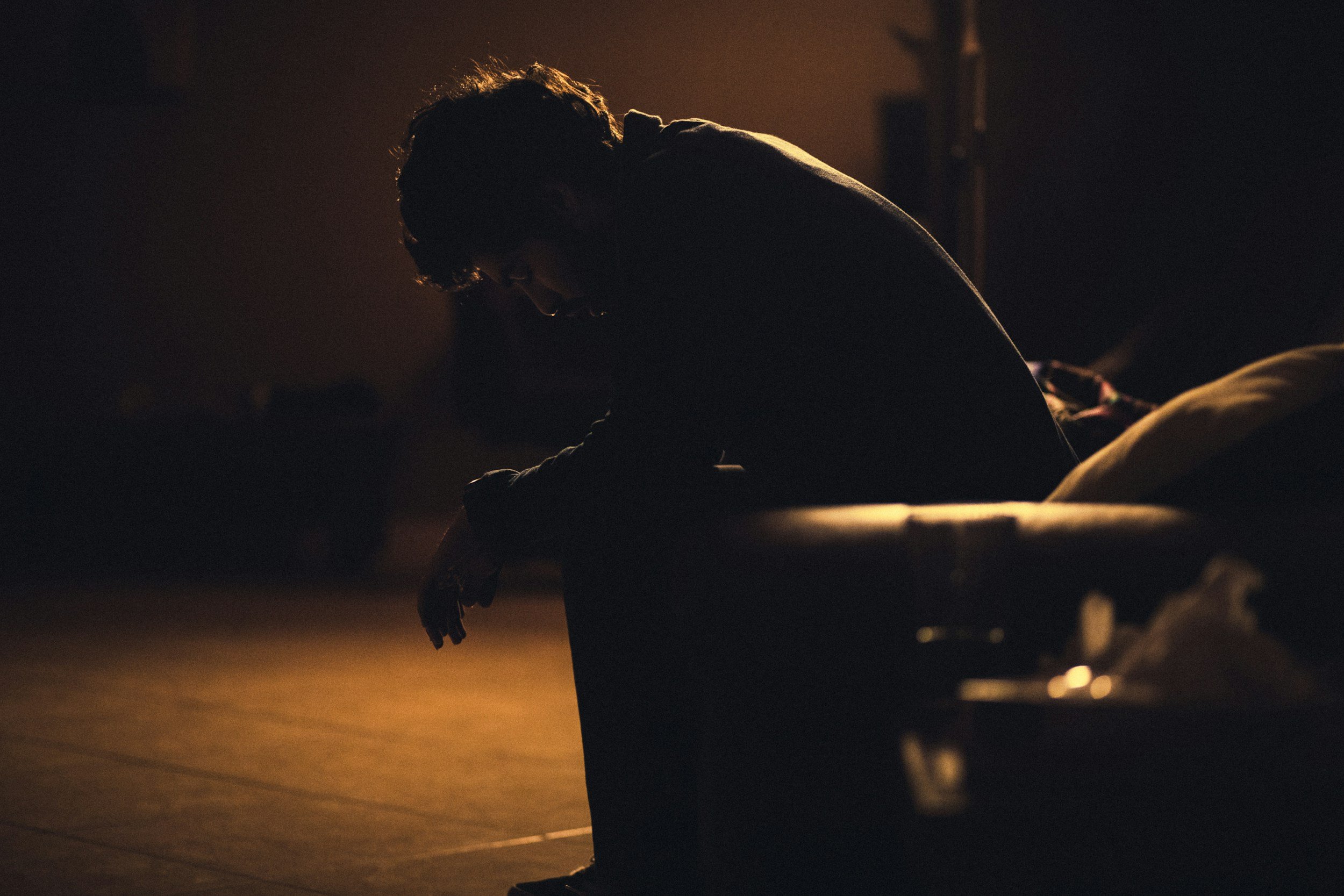
DEPRESSION
Support for Children, Adults, Parents, & Neurodivergent individuals
At Path2Growth, we understand that depression is more than sadness.
It affects your ability to think clearly, concentrate, function, and handle everyday life.
We see you.
And we’re here to help you get your life back.
Depression Doesn’t Always Look Like What People Expect
So many of our clients come to us saying things like:
“I’m exhausted all the time and don’t know why.”
“I can’t focus anymore.”
“Little tasks feel overwhelming.”
“I don’t feel like myself.”
“I’m not sad… I’m just completely drained.”
This is depression, too.
And it deserves attention, compassion, and real support.
How Path2Growth Can Help
We offer culturally-competent, trauma-informed, neuroaffirming care that meets you where you are.
Our clinicians use a combination of:
Therapy that focuses on healing, emotional regulation, and understanding your patterns
ADHD & executive-function coaching to help you rebuild routines and reclaim your energy
Holistic strategies that support mind–body wellness
The GROWTH Method, which looks at your Goals, Relationships, Observations, Wellness, Trauma, and Habits
Family-centered care to support you in your real-life environment
Our approach doesn’t just address your symptoms—we help you rebuild your life with clarity, structure, and compassion.
Why is depression hard to detect?
Depression is hard to detect because it doesn’t always look like sadness—often, it shows up as exhaustion, irritability, or feeling disconnected from daily life. Many people learn to hide their symptoms and “push through,” making it easy to miss until it becomes overwhelming. Depression can also overlap with stress, burnout, anxiety, or ADHD, which blurs the signs even more. If you’ve been feeling unlike yourself for a while, it might be time to explore what’s really going on and get the support you deserve.
How do I know if my child/teen is depressed?
Depression in kids and teens can look different than it does in adults. You might notice changes like irritability, withdrawal from friends or activities, sudden drops in motivation or grades, trouble sleeping, or saying things like “I’m tired,” “I don’t care,” or “What’s the point?” Some kids show it through physical complaints like stomachaches, headaches, or constantly feeling unwell. While others may appear numb, overwhelmed, or unusually sensitive. If something feels “off” and your child just isn’t acting like themselves, it’s worth paying attention.
Reach out to our office today for support.
Your child doesn’t have to navigate this alone and neither do you.